


Complete Guide to Industrial Control Modules and DCS System Components for Advanced Automation
Explore industrial DCS control modules, I/O modules, communication interfaces and event systems designed for reliable automation, precise control and high-performance industrial operations.
4/15/20263 min read
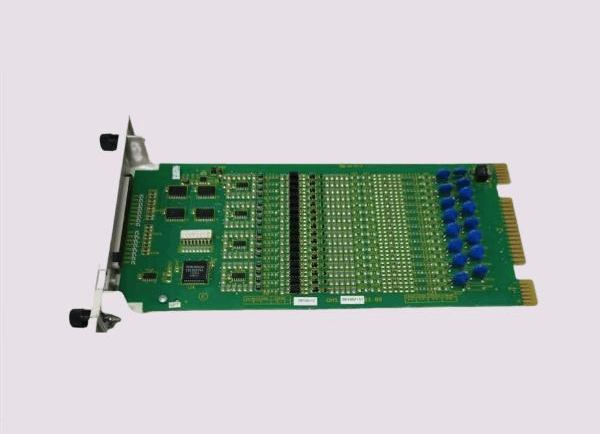
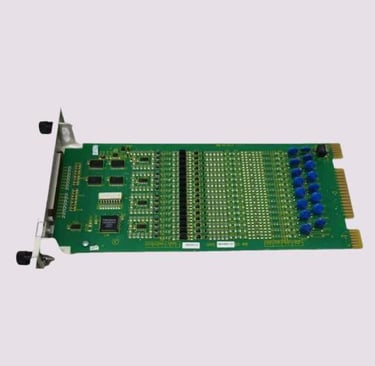
Comprehensive Guide to DCS Control Modules and Industrial Automation Systems
Introduction
Industrial automation has become the foundation of modern production, enabling industries to achieve higher efficiency, improved safety, and consistent process control. Distributed Control Systems (DCS) are widely used to manage complex industrial processes by integrating multiple control modules, communication interfaces, and input/output (I/O) systems into a unified architecture.
In large-scale automation environments such as power plants, oil refineries, and manufacturing facilities, the reliability and performance of individual modules directly impact the overall system. Components like time synchronization modules, event management systems, communication interfaces, and controllers work together to ensure seamless operation.
This article provides an in-depth overview of key DCS components including SPTKM11, SPSOE01, SPSET01, SPSEM11, SPSED01, SPQRS22, SPNPM22, SPNIS21, SPIIT13, SPIIL02-L, SPIET800, SPICT13A, SPICI03-SCIL, SPHSS13, SPHSS03, SPFEC12, SPFCS01, SPDSO14, SPDSM04, SPDSI14, SPDSI13, SPDIS22, SPBRC410, SPBRC400, SPBRC300, SPBLK01, SPASI23, SPCIS22, and SPAS011, highlighting their functions and applications in industrial automation systems.
1. Overview of Distributed Control Systems
A Distributed Control System is designed to control complex industrial processes through decentralized controllers. Unlike centralized systems, DCS distributes control functions across multiple modules, improving system reliability and scalability.
Core Functions of DCS
Real-time process monitoring
Data acquisition and processing
Control logic execution
Communication between devices
Fault detection and diagnostics
DCS systems are essential for industries requiring continuous and stable operation.
2. Time Synchronization and Event Recording
SPTKM11 Time Keeper Master Module
Accurate time synchronization is critical in industrial systems, especially for event tracking and diagnostics. The SPTKM11 module ensures that all system components operate on a unified time reference.
Sequence of Events (SOE) System
The Sequence of Events system records and timestamps system activities, enabling precise analysis of operational events.
Key components include:
SPSOE01 – Event server node for collecting and managing event data
SPSET01 – Time synchronization processor for accurate timestamping
SPSEM11 – Event master module coordinating event processing
SPSED01 – Digital input module for capturing event signals
Benefits of SOE Systems
Accurate event tracking
Faster fault diagnosis
Improved system transparency
Enhanced operational safety
3. High-Speed Data Acquisition
SPQRS22 Quick Response Module
The SPQRS22 module supports high-speed data acquisition with multiple analog and digital inputs. It is designed for applications requiring rapid response and precise measurements.
Key Features
Fast signal processing
High accuracy
Real-time data acquisition
Reliable performance
4. Communication and Network Integration
Industrial automation systems rely heavily on communication modules to connect controllers, field devices, and supervisory systems.
Key Communication Modules
SPIIT13 – Communication interface module
SPIIL02-L – Local network interface
SPIET800 – Ethernet-based communication module
SPICT13A – Network-to-computer transfer module
SPICI03-SCIL – Computer interface module
Advantages
High-speed data exchange
Seamless integration
Support for distributed systems
Reliable communication
5. Input and Output Modules
I/O modules are responsible for interfacing between the control system and field equipment.
Digital Input Modules
SPDSI14 – 48 VDC input module
SPDSI13 – Standard digital input module
SPDIS22 – Multi-channel input module
Digital Output Module
SPDSO14 – Provides output signals to control devices
Pulse Input Module
SPDSM04 – Handles pulse signals from sensors
Analog Input Module
SPASI23 – Processes analog signals such as temperature and pressure
Benefits
Accurate signal conversion
Reliable data transmission
Flexible configuration
Real-time monitoring
6. Frequency and Signal Processing Modules
SPFCS01 Frequency Counter Module
This module measures frequency signals, enabling monitoring of rotating equipment and process variables.
SPFEC12 Module
Supports advanced control logic and signal processing functions, enhancing system capabilities.
7. Hydraulic and Servo Control Systems
SPHSS13 and SPHSS03 Modules
These modules are used in hydraulic servo systems for precise control of mechanical processes. The redundant configuration ensures high reliability and continuous operation.
Applications
Turbine control
Hydraulic machinery
Precision motion systems
8. Central Controllers
SPBRC Series Controllers
SPBRC410
SPBRC400
SPBRC300
These controllers serve as the central processing units of the DCS system.
Key Features
High processing capacity
Support for large-scale systems
Redundant configurations
Reliable performance
9. Auxiliary Components
SPBLK01 Blank Faceplate
Used to fill unused slots in control racks, ensuring proper airflow and system organization.
SPCIS22 and SPAS011 Modules
Provide additional functionalities and expand system capabilities.
10. System Integration and Architecture
A modern DCS integrates multiple components into a cohesive system:
Controllers manage logic and operations
I/O modules interface with field devices
Communication modules enable connectivity
Event systems track system behavior
This architecture ensures efficient and reliable operation.
11. Application Industries
These automation solutions are widely used in:
Power Generation
For turbine control and energy management.
Oil and Gas
For refining and production processes.
Chemical Processing
For precise process control.
Manufacturing
For automated production lines.
Water Treatment
For monitoring and control systems.
12. Advantages of Modular Systems
Modular automation systems offer:
Scalability
Flexibility
Easy maintenance
Reduced downtime
13. Best Practices for Implementation
To maximize performance:
Ensure compatibility between modules
Use redundancy for critical systems
Perform regular maintenance
Monitor system performance
14. Future Trends in Automation
Industrial automation is evolving with:
Industrial IoT integration
Smart diagnostics
Predictive maintenance
Digital transformation
These trends require advanced hardware solutions to support complex operations.
Conclusion
DCS control modules, communication interfaces, and I/O systems form the backbone of modern industrial automation. Components such as SPTKM11, SPBRC410, SPIET800, and SPASI23 play vital roles in ensuring reliable, efficient, and safe operations.
By implementing advanced and modular automation solutions, industries can achieve improved productivity, reduced downtime, and enhanced system performance. Investing in high-quality control infrastructure is essential for staying competitive in today’s rapidly evolving industrial landscape.