


Direct Replacement Options for MOOG G772K Servo Valves: Complete Upgrade and Replacement Guide
Discover the best direct replacement options for MOOG G772K servo valves. Learn about compatibility, performance improvements, installation considerations, and maintenance strategies for hydraulic control systems.
6/5/20263 min read
Introduction
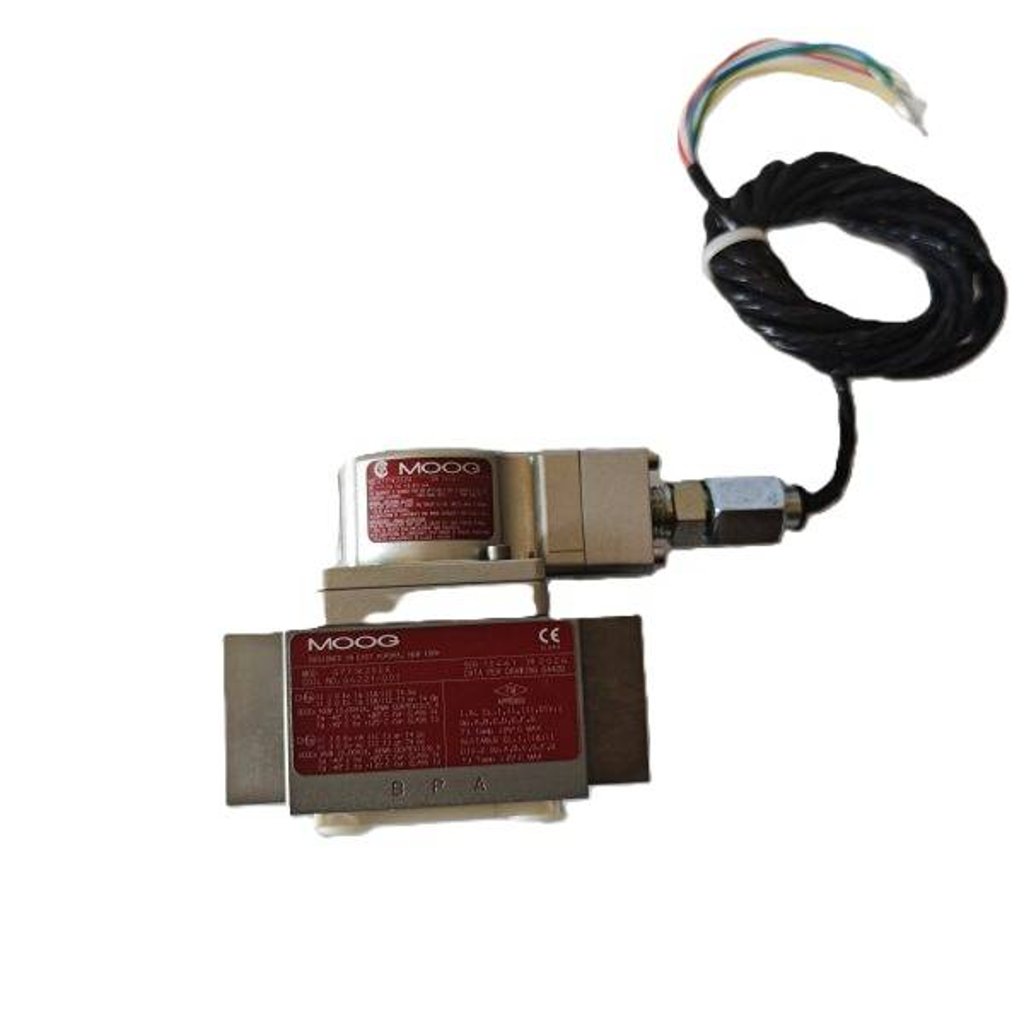
Electro-hydraulic servo valves are among the most critical components in precision hydraulic control systems. They directly influence machine accuracy, response speed, productivity, and operational reliability. Among the most widely used products in industrial hydraulic applications, the MOOG G772K Series Servo Valves have established a strong reputation for high-performance motion control and exceptional precision.
However, as hydraulic systems age, maintenance engineers and procurement specialists often face challenges such as component wear, extended lead times, product obsolescence, and increasing maintenance costs. As a result, many users begin searching for direct replacement options for MOOG G772K servo valves that can maintain system performance while minimizing downtime.
This guide explains how to identify suitable replacements, key compatibility factors, and best practices for upgrading hydraulic servo systems.
Understanding the MOOG G772K Servo Valve Series
The G772K Series is a two-stage electro-hydraulic servo valve designed for demanding industrial applications requiring:
Precise flow control
Fast dynamic response
High repeatability
Excellent positioning accuracy
Long-term operational stability
These valves are commonly found in:
Steel mills
Power plants
Aerospace test equipment
Plastic injection molding machines
Hydraulic presses
Turbine control systems
Industrial automation equipment
Because these systems often operate continuously, replacement decisions must be made carefully.
Why Replace a G772K Servo Valve?
1. Aging Equipment
Many G772K valves have been operating for years or even decades. Over time, internal components experience wear that can affect performance.
Common symptoms include:
Increased hysteresis
Reduced accuracy
Slower response times
Internal leakage
2. Maintenance Cost Reduction
Repeated repairs may eventually become more expensive than replacing the valve with a newer equivalent.
Benefits of replacement include:
Reduced maintenance expenses
Improved reliability
Lower downtime risk
3. Improved Performance
Modern servo valve designs often provide:
Better contamination tolerance
Enhanced electronics
Improved spool technology
Increased operational efficiency
4. Spare Parts Availability
Older valve models can become difficult to source, resulting in long procurement cycles and production risks.
Key Factors When Selecting a Direct Replacement
Choosing a replacement servo valve involves more than matching part numbers.
Several critical factors must be evaluated.
Flow Rating
The replacement valve must provide a flow capacity similar to the original G772K model.
Incorrect flow ratings can lead to:
Reduced machine performance
Instability
Control inaccuracies
Mounting Dimensions
Direct replacements should maintain:
Mounting footprint
Port configuration
Bolt pattern
This minimizes installation modifications.
Electrical Characteristics
Verify compatibility with:
Coil resistance
Command signal type
Feedback configuration
Connector style
Electrical mismatches can cause control system issues.
Dynamic Performance
Key performance parameters include:
Frequency response
Step response
Hysteresis
Resolution
Matching these characteristics helps preserve machine performance.
Common Direct Replacement Strategies
Factory-Specified Upgraded Models
In many cases, manufacturers introduce improved versions of existing servo valves.
Advantages include:
Full compatibility
Enhanced reliability
Improved manufacturing tolerances
This is often the preferred replacement method.
Equivalent Servo Valve Models
For discontinued units, compatible servo valves with similar specifications may provide a practical alternative.
Important considerations include:
Hydraulic performance
Mechanical fit
Electrical compatibility
A detailed technical review is essential.
System Modernization
For older hydraulic systems, a modernization project may provide long-term benefits.
Potential upgrades include:
Digital valve control
Integrated diagnostics
Advanced monitoring capabilities
These improvements can significantly enhance system efficiency.
Industries That Commonly Use G772K Servo Valves
Steel Manufacturing
Servo valves control:
Rolling mills
Thickness regulation
Tension control systems
High precision is critical for product quality.
Power Generation
Applications include:
Turbine governor systems
Hydraulic control units
Actuator positioning systems
Reliable operation is essential for plant safety.
Aerospace Testing
Servo valves support:
Structural testing
Fatigue testing
Flight simulation systems
Extreme accuracy is required.
Plastic Injection Molding
Hydraulic servo control ensures:
Consistent injection pressure
Accurate positioning
Improved product quality
Installation Best Practices
Verify System Cleanliness
Hydraulic contamination is one of the leading causes of servo valve failure.
Before installation:
Flush hydraulic lines
Replace filters
Inspect reservoirs
Clean fluid extends valve life.
Calibrate the Control System
After installation:
Verify command signals
Check feedback loops
Tune controller parameters
Proper calibration ensures optimal performance.
Conduct Functional Testing
Before returning equipment to production:
Test response characteristics
Monitor pressure stability
Verify positioning accuracy
This confirms successful integration.
Preventive Maintenance Recommendations
Even the best replacement valve requires proper maintenance.
Recommended practices include:
Hydraulic Fluid Monitoring
Regularly test:
Particle contamination levels
Water content
Fluid degradation
Filter Maintenance
Replace filters according to manufacturer recommendations.
System Inspection
Check for:
External leaks
Abnormal vibration
Temperature changes
Early detection helps prevent failures.
Benefits of Choosing the Right Replacement
A properly selected replacement valve can provide:
Improved Reliability
Modern manufacturing techniques improve durability and consistency.
Reduced Downtime
Direct-fit solutions simplify installation and reduce maintenance interruptions.
Enhanced Performance
Newer designs often offer better dynamic response and efficiency.
Lower Lifecycle Costs
Improved reliability reduces repair frequency and operating expenses.
Conclusion
Finding the right direct replacement option for MOOG G772K servo valves is essential for maintaining hydraulic system performance, minimizing downtime, and extending equipment life. By carefully evaluating flow capacity, mounting compatibility, electrical characteristics, and dynamic performance, maintenance teams can identify replacement solutions that meet both technical and operational requirements.
Whether upgrading aging equipment, replacing obsolete components, or modernizing hydraulic control systems, selecting a high-quality replacement valve helps ensure reliable performance in demanding industrial applications. For industries such as steel production, power generation, aerospace testing, and manufacturing automation, a well-planned servo valve replacement strategy can significantly improve productivity and long-term system reliability.
Keywords: MOOG G772K Servo Valve Replacement, Direct Replacement Servo Valve, Hydraulic Servo Valve Upgrade, Electro Hydraulic Servo Valve, G772K Alternative, Industrial Hydraulic Control Valve, Servo Valve Compatibility, Hydraulic Automation Solutions.