



RLM01 Industrial Control Module for Reliable DCS Automation Systems
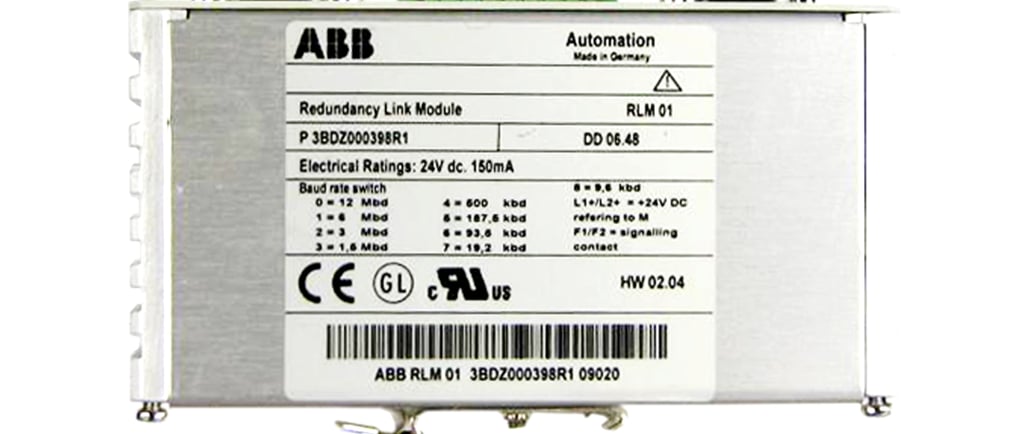
RLM01 industrial control module designed for DCS systems, offering reliable performance, stable communication and efficient automation control in industrial environments.
4/15/20263 min read
Introduction
Industrial automation has transformed the way modern industries operate, enabling higher efficiency, improved safety, and continuous process control. At the core of these systems are Distributed Control Systems (DCS) and Programmable Logic Controllers (PLC), which rely on high-performance control modules to ensure smooth and accurate operation.
Among these essential components, the RLM01 industrial control module stands out as a reliable solution for communication and system integration. Designed for demanding industrial environments, it plays a critical role in maintaining system stability, enabling real-time data exchange, and supporting complex automation processes.
This article explores the features, applications, and benefits of the RLM01 module, while providing valuable insights to help engineers, system integrators, and buyers make informed decisions.
1. What is an Industrial Control Module?
An industrial control module is a hardware component used in automation systems to process data, execute control logic, and communicate with other devices. These modules form the backbone of DCS and PLC systems.
Core Functions
Processing input and output signals
Executing automation logic
Communicating with other system components
Monitoring system performance
Without control modules, automation systems would not be able to function efficiently or reliably.
2. Overview of the RLM01 Module
The RLM01 module is designed for use in distributed automation systems where stable communication and system coordination are essential. It acts as an interface that ensures seamless data transmission between different parts of the control system.
Key Roles
Facilitates reliable communication
Supports system integration
Ensures accurate data transmission
Enhances overall system coordination
This module is widely used in applications that require continuous operation and high reliability.
3. Key Features and Technical Advantages
3.1 High Reliability
The RLM01 module is engineered for continuous industrial operation, providing stable performance under demanding conditions.
3.2 Strong Communication Capability
It enables efficient and accurate data exchange, ensuring that all system components remain synchronized.
3.3 Modular Design
The compact and modular structure allows easy installation and flexible system expansion.
3.4 Industrial-Grade Durability
Built to withstand vibration, temperature fluctuations, and electrical interference, making it suitable for harsh environments.
3.5 Low Maintenance
The robust design minimizes maintenance requirements and reduces downtime.
4. Applications Across Industries
The RLM01 control module is widely used in various industrial sectors:
Power Generation
Supports turbine control systems, boiler automation, and energy management.
Oil and Gas
Used in refining processes, pipeline monitoring, and offshore platforms.
Manufacturing
Enhances production line automation and machinery control.
Chemical Processing
Ensures precise control of chemical reactions and process variables.
Water Treatment
Provides reliable monitoring and control of water systems.
5. Integration in DCS and PLC Systems
One of the key advantages of the RLM01 module is its ability to integrate seamlessly into both DCS and PLC architectures.
Integration Benefits
Easy installation and configuration
Compatibility with existing systems
Support for distributed system architecture
Reliable communication across networks
This flexibility makes it suitable for both new installations and system upgrades.
6. Benefits of Using the RLM01 Module
6.1 Improved System Stability
Ensures consistent operation and reduces system failures.
6.2 Enhanced Efficiency
Optimizes data processing and communication, improving overall system performance.
6.3 Scalability
Allows for easy expansion of automation systems.
6.4 Cost Efficiency
Reduces maintenance costs and minimizes downtime.
7. Installation and Maintenance Best Practices
To maximize performance and lifespan, proper installation and maintenance are essential.
Installation Tips
Ensure proper wiring and configuration
Verify compatibility with system components
Install in a well-ventilated environment
Maintenance Tips
Conduct regular inspections
Monitor system performance
Replace faulty components promptly
8. Comparison with Similar Modules
Compared to other control modules, the RLM01 offers:
Reliable communication performance
Durable construction
Flexible integration
Consistent long-term operation
These advantages make it a preferred choice for demanding industrial environments.
9. Future Trends in Industrial Automation
The industrial automation sector continues to evolve with emerging technologies:
Industrial Internet of Things (IIoT)
Predictive maintenance systems
Smart diagnostics
Cloud-based monitoring
Modules like RLM01 are designed to support these advancements, ensuring long-term compatibility and performance.
10. Why the RLM01 Module is a Smart Choice
Choosing the right control module is critical for system performance. The RLM01 module offers:
Reliable communication
High durability
Easy integration
Long service life
These features make it an ideal solution for modern automation systems.
Conclusion
The RLM01 industrial control module is a key component in modern automation systems, delivering reliable communication, efficient control, and seamless integration. Its robust design and advanced capabilities make it suitable for a wide range of industrial applications.
By incorporating high-quality control modules into automation systems, industries can achieve improved efficiency, reduced downtime, and enhanced operational reliability. As industrial automation continues to evolve, solutions like the RLM01 module will remain essential for building stable and future-ready systems.