



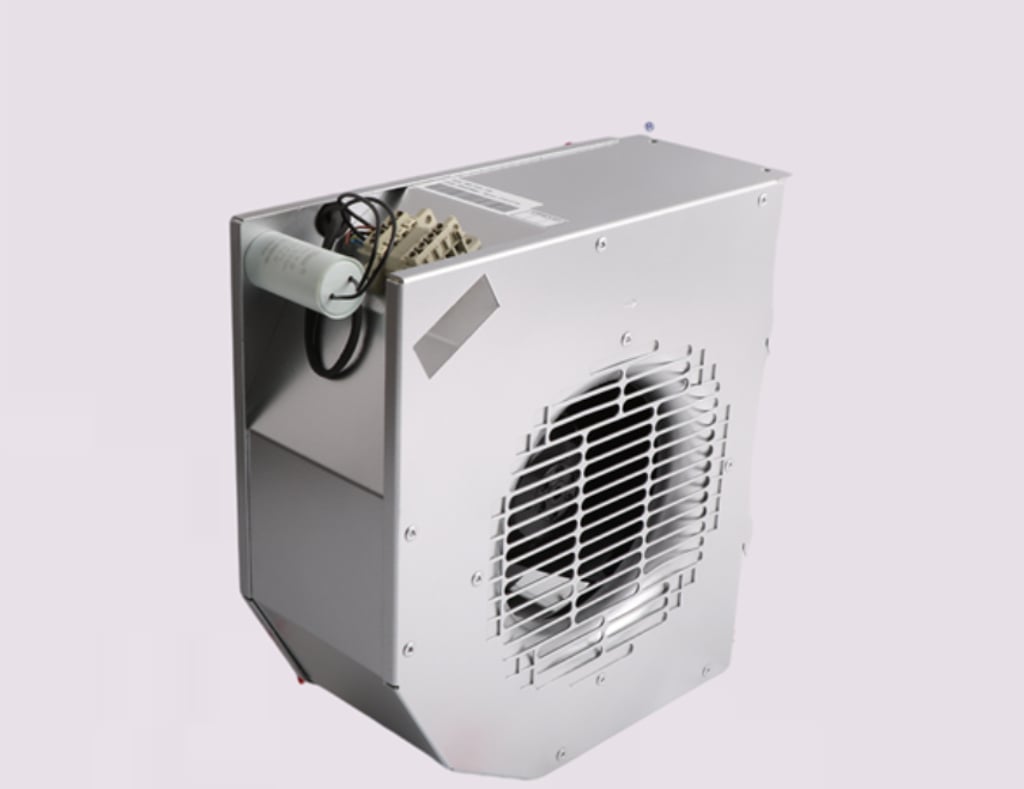
WSFAN230 68442966 Industrial Cooling Fan for Automation Control Systems and Power Cabinets
WSFAN230 68442966 industrial cooling fan designed for control systems and power cabinets, ensuring efficient heat dissipation, stable operation and reliable automation performance.
Yuli Automation
4/13/20263 min read
Introduction
In modern industrial automation systems, thermal management is one of the most critical factors affecting system stability, performance, and lifespan. Control cabinets, power modules, PLC systems, and DCS equipment generate continuous heat during operation. Without proper cooling, excessive temperature can lead to system failure, reduced efficiency, and unexpected downtime.
The WSFAN230 68442966 industrial cooling fan is specifically designed to provide reliable airflow and efficient heat dissipation for industrial control systems. It plays a key role in maintaining optimal operating temperatures in demanding environments such as power plants, manufacturing facilities, oil and gas systems, and process automation industries.
1. Importance of Industrial Cooling in Automation Systems
Industrial automation systems operate continuously under high loads. Electronic components such as processors, power modules, and communication interfaces generate heat during operation. If this heat is not effectively managed, it can cause:
Reduced system performance
Shortened component lifespan
Unexpected system shutdowns
Increased maintenance costs
Cooling fans like the WSFAN230 68442966 ensure that internal cabinet temperatures remain stable, supporting continuous and reliable operation.
2. Overview of WSFAN230 68442966 Cooling Fan
The WSFAN230 68442966 is a high-performance industrial cooling fan designed for control cabinets and automation systems. It provides consistent airflow to remove excess heat and maintain safe operating conditions.
Key Characteristics:
High airflow efficiency
Stable and continuous operation
Designed for industrial environments
Low noise and energy-efficient performance
Long service life
This cooling fan is widely used in automation systems where thermal stability is essential for reliable operation.
3. Working Principle of Industrial Cooling Fans
Industrial cooling fans operate by circulating air through control cabinets or enclosures. The WSFAN230 68442966 draws cool air into the system while expelling hot air generated by electronic components.
This airflow mechanism helps:
Maintain uniform temperature distribution
Prevent overheating of sensitive components
Improve system reliability
Extend equipment lifespan
Proper airflow design is essential in industrial environments where heat accumulation can quickly become a critical issue.
4. Key Features and Technical Advantages
4.1 High Efficiency Airflow Design
The fan is engineered to deliver strong and consistent airflow, ensuring rapid heat dissipation from densely packed control systems.
4.2 Industrial Grade Durability
Designed for harsh environments, it can withstand vibration, dust, and continuous operation without performance degradation.
4.3 Stable Long-Term Operation
Built with high-quality components, the fan ensures stable performance even under continuous 24/7 operation conditions.
4.4 Energy Efficient Performance
Despite its powerful cooling capability, it maintains low energy consumption, helping reduce operational costs.
4.5 Easy Installation
The compact design allows for easy integration into control cabinets and industrial enclosures.
5. Application Areas
The WSFAN230 68442966 cooling fan is widely used across multiple industrial sectors:
5.1 Power Generation
Used in turbine control systems, boiler automation, and electrical cabinets.
5.2 Oil and Gas Industry
Ensures cooling of control panels in offshore platforms and refineries.
5.3 Manufacturing Automation
Maintains stable temperature in PLC and production line control systems.
5.4 Chemical Processing
Prevents overheating in complex control environments with high-density electronics.
5.5 Water Treatment Systems
Supports continuous operation of monitoring and control equipment.
6. Benefits of Proper Thermal Management
Effective cooling provides several long-term advantages:
6.1 Improved System Reliability
Stable temperatures reduce the risk of unexpected system failures.
6.2 Extended Equipment Lifespan
Lower operating temperatures help preserve electronic components.
6.3 Reduced Maintenance Costs
Preventing overheating minimizes repair and replacement frequency.
6.4 Enhanced Operational Efficiency
Stable systems operate more efficiently with fewer interruptions.
7. Installation and Maintenance Guidelines
To ensure optimal performance, proper installation and maintenance are essential:
Installation Recommendations:
Install in a location with unobstructed airflow
Ensure proper ventilation inside the control cabinet
Avoid direct exposure to excessive dust or moisture
Maintenance Tips:
Regularly clean fan blades and air filters
Check for vibration or abnormal noise
Inspect airflow performance periodically
Proper maintenance ensures long-term reliability and efficiency.
8. Industrial Automation and Cooling Integration
Modern automation systems integrate cooling fans as part of a complete thermal management strategy. The WSFAN230 68442966 is often used alongside:
Power supply units
Control modules
Communication systems
Relay and switching devices
This integrated approach ensures that all components operate within safe temperature ranges.
9. Future Trends in Industrial Cooling
As automation systems become more compact and powerful, cooling technology is also evolving:
Smart temperature-controlled fans
Energy-efficient cooling systems
Predictive thermal monitoring
Integrated cabinet cooling solutions
These advancements improve system reliability while reducing energy consumption.
Conclusion
The WSFAN230 68442966 industrial cooling fan is a critical component in modern automation systems, ensuring stable temperature control and reliable system performance. By providing efficient airflow and durable operation, it helps protect sensitive electronic equipment and supports continuous industrial processes.
In environments where system stability and uptime are essential, effective cooling solutions are not optional—they are a necessity. Proper thermal management ensures that automation systems operate safely, efficiently, and reliably under all conditions.